
If you are researching veneers vs whitening, you are likely asking one practical question: am I actually suitable, or am I looking at the wrong treatment for my smile goals? Veneers can be transformative for the right person, but they are not a one-size-fits-all cosmetic shortcut.
This guide explains who is typically a good candidate for veneers, when another option may be better, how dentists assess suitability, and what to consider before committing. If you want tailored advice, start with a cosmetic assessment at our Tewkesbury dental practice.
Veneers are thin restorations bonded to the front surface of teeth to improve appearance. They are commonly used for concerns such as worn edges, persistent discolouration, mild shape asymmetry, and small spacing issues. They can be made from porcelain or composite, with different durability, aesthetics, and maintenance profiles.
Veneers are not orthodontics, and they are not a substitute for stabilising active oral health problems. Good veneer outcomes rely on healthy gums, controlled bite forces, and realistic expectations.
When deciding suitability, dentists assess biology, function, and goals together. Being a “good candidate” means veneers can improve your smile without creating avoidable long-term risk.
Before cosmetic work, gum inflammation and decay should be treated. Bonding veneers onto unstable oral health can compromise results and shorten lifespan. If needed, complete baseline care first and keep regular reviews, as explained in our guide on dental check-up and clean frequency.
Veneers bond best to enamel. If enamel is heavily worn, previously restored, or structurally compromised, your dentist may recommend alternatives (for example, additive composite planning or crowns in selected cases).
If you grind or clench heavily, veneers may still be possible, but protective planning is essential. This can include occlusal adjustment, material selection, and often a protective night guard.
Strong candidates understand veneers can improve appearance significantly, but not every smile should be made ultra-white or ultra-uniform. The best results look natural, balanced with facial features, and appropriate for age and lifestyle.
If colour is your only concern, whitening may be a better first-line route. Review our existing article on in-chair vs at-home whitening before deciding.
Veneers are often marketed as universal, but there are clear situations where another path is safer or more efficient:
Material choice is part of candidacy. Not every patient needs porcelain immediately.
The right choice depends on enamel condition, bite, budget, and how definitive you want the first stage to be.
A quality consultation is diagnostic, not sales-led. Expect:
This is where candidacy is decided properly. If your goals can be reached with less intervention, a responsible clinic should tell you.
Search data consistently shows high interest in durability terms like “how long do veneers last.” Lifespan depends on material, bite forces, oral hygiene, and maintenance habits. Porcelain can last many years with good care; composite generally needs earlier refinement or replacement.
Longevity is less about the restoration alone and more about the system around it: diagnosis, preparation quality, bonding protocol, bite management, and follow-up.
Many patients want confidence before committing. In suitable cases, mock-ups or provisional design previews help visualise shape and length changes. This is useful for borderline candidates unsure about degree of change.
Preview workflows improve decision quality and reduce the risk of post-treatment regret.
Keyword demand around “how much are veneers” and “veneers cost” is substantial, but price alone is a poor filter. Better value questions include:
A lower initial quote can become expensive if remakes are needed due to weak case selection.
You are likely a strong veneer candidate if most of the following apply:
If your main issue is alignment or bite discrepancy, discuss aligners first. If your issue is colour only, whitening first can be more efficient.
In practical terms, the best candidates are patients with stable oral health, sufficient enamel, manageable bite forces, and clear cosmetic goals that veneers can achieve predictably. The wrong candidates are those pushed into veneers before diagnosis or when lower-intervention options would work better.
Want an expert decision for your case? Use our contact page to book a veneer consultation in Tewkesbury. We will assess suitability properly, explain alternatives, and build a treatment plan that prioritises both aesthetics and long-term oral health.
A simple way to decide is to separate colour problems from shape/structure problems. Whitening only changes shade. Veneers can change shade, shape, edge position, and symmetry at the same time. If your concern is “my teeth are healthy but yellow,” whitening is often first choice. If your concern is “my teeth are uneven, chipped, and mismatched in colour,” veneers may be more predictable.
Dentists in Tewkesbury will usually map your priorities in this order: oral health stability, bite risk, then cosmetic design. This matters b
Dentists in Tewkesbury will usually map your prfunction is ignored, aesthetics often fail early.
High-quality clinics avoid jumping straight into irreversible choices. A sensible sequence often looks like this:
This phased model gives patients more confidence and reduces regret. It also helps you spend budget where it creates the most visible and durable improvement.
No. Whitening affects natural tooth structure, not existing porcelain restorations. If you already have veneers, the surrounding teeth may lighten while veneer shade stays the same. That is why shade planning should be done strategically.
Not usually. Whitening can improve colour contrast, which may make small chips look less obvious, but it does not rebuild lost shape. If edge integrity matters, composite bonding or veneers are stronger solutions.
Poorly planned veneers can look flat, opaque, or too uniform. Well-designed veneers should reflect light naturally and match facial proportions. The planning conversation is more important than the product itself.
Temporary sensitivity is common with whitening and typically settles. Veneer-related sensitivity risk depends on preparation depth and bonding technique. Conservative preparation and careful case selection keep risk lower.
Patients often compare upfront costs but forget ongoing behaviours. Whitened teeth need stain-control habits and occasional top-up protocols. Veneers need protective function habits, including avoiding hard-object biting and using a night guard if you clench.
In both cases, maintenance appointments matter. If you are overdue for preventive care, start with a hygiene and review visit first: book with our Tewkesbury team and set a realistic plan before cosmetic treatment.
If budget is a concern, ask for a staged roadmap instead of a single all-or-nothing quote. Many patients do best with this sequence:
This approach protects cash flow and often reduces the number of teeth requiring veneer treatment. It also gives you clearer evidence of what improvement whitening alone can deliver.
If your objective is simply a brighter smile, whitening is usually the most conservative first move. If your objective includes correcting shape, symmetry, or visible wear, veneers are often the better long-term fit. The right decision comes from diagnosis, not trend-driven marketing.
For a personalised plan, request a cosmetic assessment through our contact page. We will help you choose the least invasive route that still meets your smile goals.

I've been a patient of lovely Mr R. for 30+ years. I find him very thorough and caring and feel fully confident in any treatment plans that become nec... Read More
This was my first visit to this practice. From the receptionist to the dental nurse and the dentist it was first class. Everything was explained even ... Read More
Excellent care. Sensible advice and a very caring team of people. Boss man is VERY understanding of your personal life and situation. Receptionist (sa... Read More
Amazing service, the dentist went extra mile as I needed ineroral scan to be sent over to me and they delivered everything on time. Highly recommended.
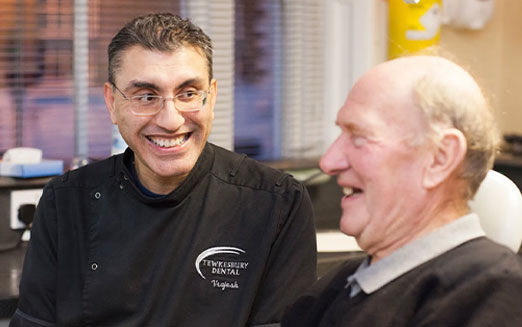
I’ve just completed a long course of treatment for a very troublesome tooth, and I can honestly say that Dr. Vrajesh Ruparelia is the most patient a... Read More