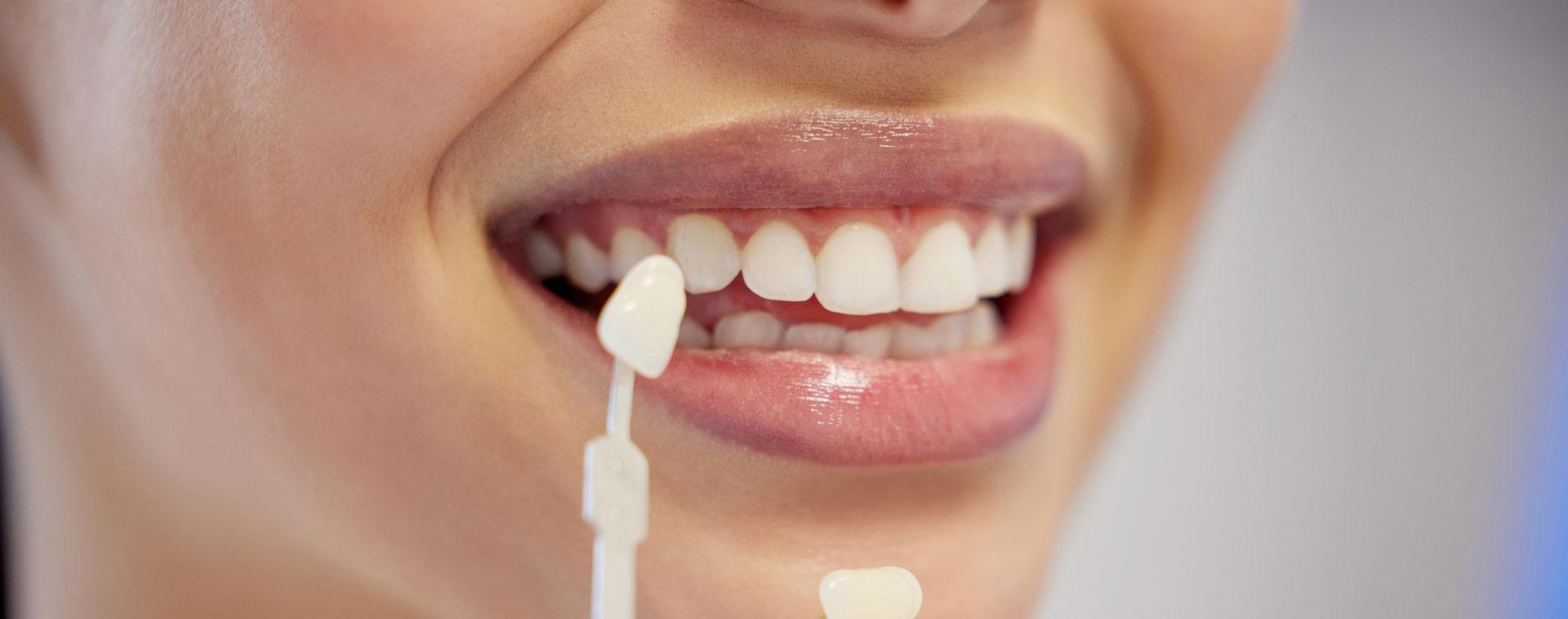
If you are thinking about a brighter smile, one of the first questions is whether to choose in-chair whitening or an at-home whitening approach. Both can improve tooth shade, but they differ in speed, supervision, cost profile, and how predictable your outcome is.
This guide explains the practical differences so you can choose the right option for your goals, timeline, and sensitivity risk.
Tooth whitening uses peroxide-based gels to lift staining compounds from enamel and dentine. The active ingredients are usually hydrogen peroxide or carbamide peroxide at carefully controlled strengths.
Before treatment, your dentist checks for issues that can affect outcome or safety, including:
In-chair whitening is performed in the clinic under direct supervision. Soft tissues are protected, gel is applied in controlled stages, and shade is checked throughout.
There are two very different “at-home” pathways:
Dentist-guided home whitening is usually more consistent than generic kits because fit and dosing are tailored. Retail products can still help mild staining, but outcomes are more variable.
In-chair usually delivers faster visible change. Home protocols generally build results over days or weeks.
In-chair has direct professional monitoring. Dentist-guided home treatment still has a protocol and review points; retail kits do not.
Both methods can cause temporary sensitivity. Professional pathways allow dose adjustments, interval changes, and desensitising advice if needed.
In-chair tends to have a higher initial fee. Home whitening can spread effort over time and is often used as maintenance after an initial clinic lift.
Whitening response depends more on stain type and baseline tooth condition than on marketing claims. Typical patterns:
When used correctly, professional whitening is generally considered safe for enamel. Problems usually come from overuse, poor product choice, or ignoring contraindications.
Mild short-term sensitivity can happen. It often settles quickly after treatment ends. Your dentist can modify protocol if you are prone to sensitivity.
No. You should avoid or delay whitening in certain situations (for example untreated decay, active gum disease, pregnancy/breastfeeding depending on clinician advice, or unstable restorations).
Choose in-chair if you want speed, close supervision, and a structured clinical process with faster visible outcomes.
Choose dentist-guided at-home whitening if you prefer flexibility, gradual change, and a protocol you can repeat for maintenance over time.
Ask yourself:
If you are unsure, start with an assessment and pick a plan based on your baseline shade, stain pattern, and oral health status.
There is no single “best” whitening method for everyone. In-chair whitening is usually faster and more supervised; at-home whitening is more flexible and often better for staged improvement or maintenance.
If you want a safe, realistic whitening plan tailored to your teeth, book an assessment with Tewkesbury Dental to compare options and set a practical timeline.
Book your consultation or return to the homepage to explore treatment options.

Very thorough examination and was told alternative treatments needed and prices explained. No pushing for an immediate answer so have plenty of time t... Read More
My family and I have been patients of Mr R and his team for several years now and would never hesitate to recommend him to others for his patience, ca... Read More
I've been a patient of lovely Mr R. for 30+ years. I find him very thorough and caring and feel fully confident in any treatment plans that become nec... Read More
I’ve just completed a long course of treatment for a very troublesome tooth, and I can honestly say that Dr. Vrajesh Ruparelia is the most patient a... Read More
Excellent care. Sensible advice and a very caring team of people. Boss man is VERY understanding of your personal life and situation. Receptionist (sa... Read More