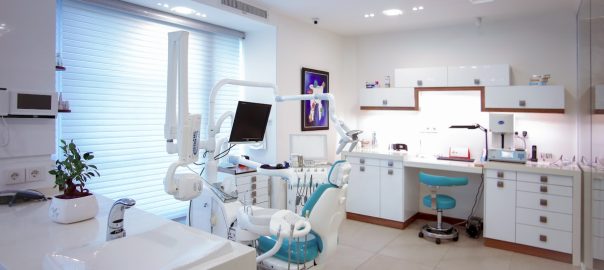
If you’ve ever wondered about the right dental check up frequency for your oral health, you’re not alone. It’s one of the most common questions patients ask, and the answer isn’t always a simple “every six months” anymore. Modern dentistry takes a more personalised approach, tailoring check-up schedules to individual needs, risk factors, and oral health history.
In this guide, we’ll explain what influences how often you should visit the dentist, why regular check-ups matter, and what happens during a typical appointment. Whether you’re overdue for a check-up or simply curious about best practice, this article will help you make informed decisions about your dental care routine.
For decades, “visit your dentist twice a year” has been the standard recommendation. This guideline originated in the mid-20th century and became embedded in public health messaging. While it’s a reasonable baseline for many people, it’s not necessarily ideal for everyone.
Modern evidence suggests that dental check up frequency should be based on individual risk, not a one-size-fits-all timeline. Some patients may only need an annual visit, while others benefit from quarterly appointments. Your dentist will assess your specific needs and recommend a schedule that keeps your mouth healthy without unnecessary visits.
Several personal and clinical factors determine how often you should see your dentist. Understanding these can help you appreciate why your schedule might differ from someone else’s.
If you have active gum disease, a history of cavities, or ongoing dental treatment, you’ll likely need more frequent visits. Patients with healthy teeth and gums who practice good home care may extend the gap between appointments safely.
Children and teenagers often need more regular monitoring as their teeth develop and habits form. Older adults may require closer attention due to age-related changes like gum recession, dry mouth, or medications that affect oral health.
Smoking, heavy alcohol consumption, and high-sugar diets all increase your risk of dental problems. If any of these apply, more frequent check-ups help catch issues early. Similarly, if you play contact sports or grind your teeth at night, regular monitoring is essential.
Certain health conditions—such as diabetes, heart disease, or immune system disorders—have strong links to oral health. Patients with these conditions often benefit from more frequent dental monitoring and professional cleaning to reduce infection risk and manage inflammation.
A history of gum disease, multiple fillings, or tooth loss suggests higher risk. Your dentist may recommend shorter intervals to prevent recurrence and maintain stability.
Understanding what to expect during your appointment can ease anxiety and highlight the value of regular visits. A typical check-up includes several key components:
Your dentist will examine your teeth, gums, tongue, and soft tissues for signs of decay, gum disease, oral cancer, or other abnormalities. Early detection is critical—many serious conditions are symptom-free in their early stages.
Digital X-rays help identify problems that aren’t visible during a visual exam, such as decay between teeth, bone loss, or impacted teeth. Not every visit requires X-rays; your dentist will decide based on your history and risk level.
Even with excellent brushing and flossing, plaque can harden into tartar in hard-to-reach areas. A professional scale and polish removes this build-up, reducing your risk of gum disease and cavities. This preventive step is one of the most effective ways to maintain long-term oral health.
Your dentist or hygienist will provide tailored advice on brushing technique, flossing, diet, and any concerns you’ve raised. This education empowers you to improve your home care between appointments.
Routine dental visits aren’t just about keeping your teeth clean—they play a vital role in preventing serious problems and protecting your overall health.
Most dental issues develop silently. Cavities, gum disease, and even oral cancer can progress without obvious symptoms. Regular check-ups catch these problems when they’re small, easier to treat, and less expensive to manage.
Preventive dentistry—including regular exams and professional cleans—costs far less than restorative treatment. Catching a cavity early means a simple filling; leaving it untreated could lead to root canal treatment or tooth loss.
Research shows strong connections between oral health and conditions like heart disease, diabetes, and stroke. Inflammation in the mouth can affect the rest of your body. Regular dental care supports not just your teeth and gums, but your overall wellbeing.
Healthy teeth and fresh breath contribute to self-confidence and comfort. Regular check-ups help you maintain a smile you’re proud of and avoid the pain and disruption that dental emergencies bring.
Based on current evidence and professional guidelines, here’s a general framework for dental check up frequency:
Your dentist will discuss your individual risk profile and recommend a schedule that suits you. This personalised approach ensures you receive the right level of care without over-treating or under-monitoring.
Life gets busy, and it’s easy to let dental appointments slip. If it’s been longer than recommended since your last visit, don’t feel embarrassed—just make an appointment as soon as you can.
The longer you wait, the higher the chance that small issues have progressed into bigger problems. But the good news is that it’s never too late to get back on track. Your dental team will assess your current situation and create a plan to restore and maintain your oral health.
One of the most valuable components of your check-up is the professional clean, often called a scale and polish. Here’s why it’s so important:
Removes Tartar: Hardened plaque (tartar) can only be removed by a dental professional. Left untreated, it causes gum inflammation and bone loss.
Reduces Gum Disease Risk: Regular cleaning keeps gum pockets shallow and healthy, preventing gingivitis from progressing to periodontitis.
Fresher Breath: Bacteria trapped in tartar contribute to bad breath. Professional cleaning eliminates these sources of odour.
Brighter Smile: Surface stains from tea, coffee, and food are polished away, leaving your teeth looking cleaner and brighter.
Cost-Effective Prevention: Investing in regular cleans saves money by reducing the need for fillings, extractions, and gum treatments down the line.
For some low-risk patients, yes. But this should only be done with your dentist’s agreement after a thorough assessment. Skipping check-ups without professional guidance increases your risk of undetected problems.
No. X-rays are typically taken every 12–24 months for adults, depending on your risk level and dental history. Your dentist will explain when and why they’re needed.
Not always. Some practices combine the two in one appointment, while others schedule them separately. A check-up focuses on examination and diagnosis; a clean (hygiene appointment) focuses on removing plaque and tartar. Both are essential.
Many dental problems cause no pain or discomfort until they’re advanced. Regular check-ups are designed to catch issues before you notice them, which is why symptom-free patients still need routine monitoring.
The right dental check up frequency is the one that matches your individual needs. Rather than following outdated rules, work with your dental team to create a personalised schedule that keeps your mouth healthy, prevents problems, and fits your lifestyle.
Regular check-ups, combined with good home care, are the foundation of preventive dentistry. They protect not just your teeth and gums, but your overall health, confidence, and quality of life.
If it’s been a while since your last dental visit—or if you’re simply due for your routine exam—now is the perfect time to take action. Our team is here to provide personalised care in a comfortable, supportive environment.
Contact us today to book your check-up and professional clean. We’ll assess your oral health, answer your questions, and recommend a schedule that works for you. Investing in regular dental care now means fewer problems and lower costs in the future.


Very thorough examination and was told alternative treatments needed and prices explained. No pushing for an immediate answer so have plenty of time t... Read More
My family and I have been patients of Mr R and his team for several years now and would never hesitate to recommend him to others for his patience, ca... Read More
I've been a patient of lovely Mr R. for 30+ years. I find him very thorough and caring and feel fully confident in any treatment plans that become nec... Read More
I’ve just completed a long course of treatment for a very troublesome tooth, and I can honestly say that Dr. Vrajesh Ruparelia is the most patient a... Read More
Excellent care. Sensible advice and a very caring team of people. Boss man is VERY understanding of your personal life and situation. Receptionist (sa... Read More